
Choose the route, width, surface, and edging for a garden path or front walkway installation in Concord, Pleasant Hill, and nearby East Bay yards.
A well-placed path does more for a yard than almost any single plant. It tells visitors where to go, keeps feet off planting beds, and gives a new garden structure while young plants fill in. In Concord and Pleasant Hill yards, a path installation is often the first step that makes the rest of the landscape make sense.
Follow the Way People Already Walk
Look for worn routes across the lawn, the shortcut from the driveway to the side gate, and the way you carry bins to the street. People will keep using the shortest route, so a path that ignores it tends to end up with a dirt track beside it.
Gentle curves can make a garden feel larger, but a path that winds without a reason will be cut across. Let the destination and the obstacles set the shape.
Set a Comfortable Width
Main entry walks should feel comfortable for two people side by side or for someone carrying groceries. Secondary garden paths can be narrower, but allow room for a wheelbarrow or garden cart where you will need one. Remember that plants along the edge will grow toward the path.
Choose a Surface for the Use
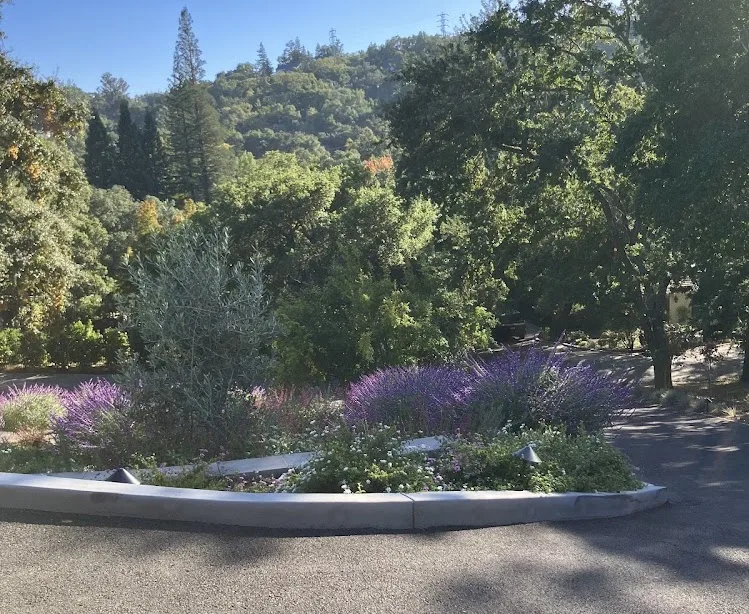
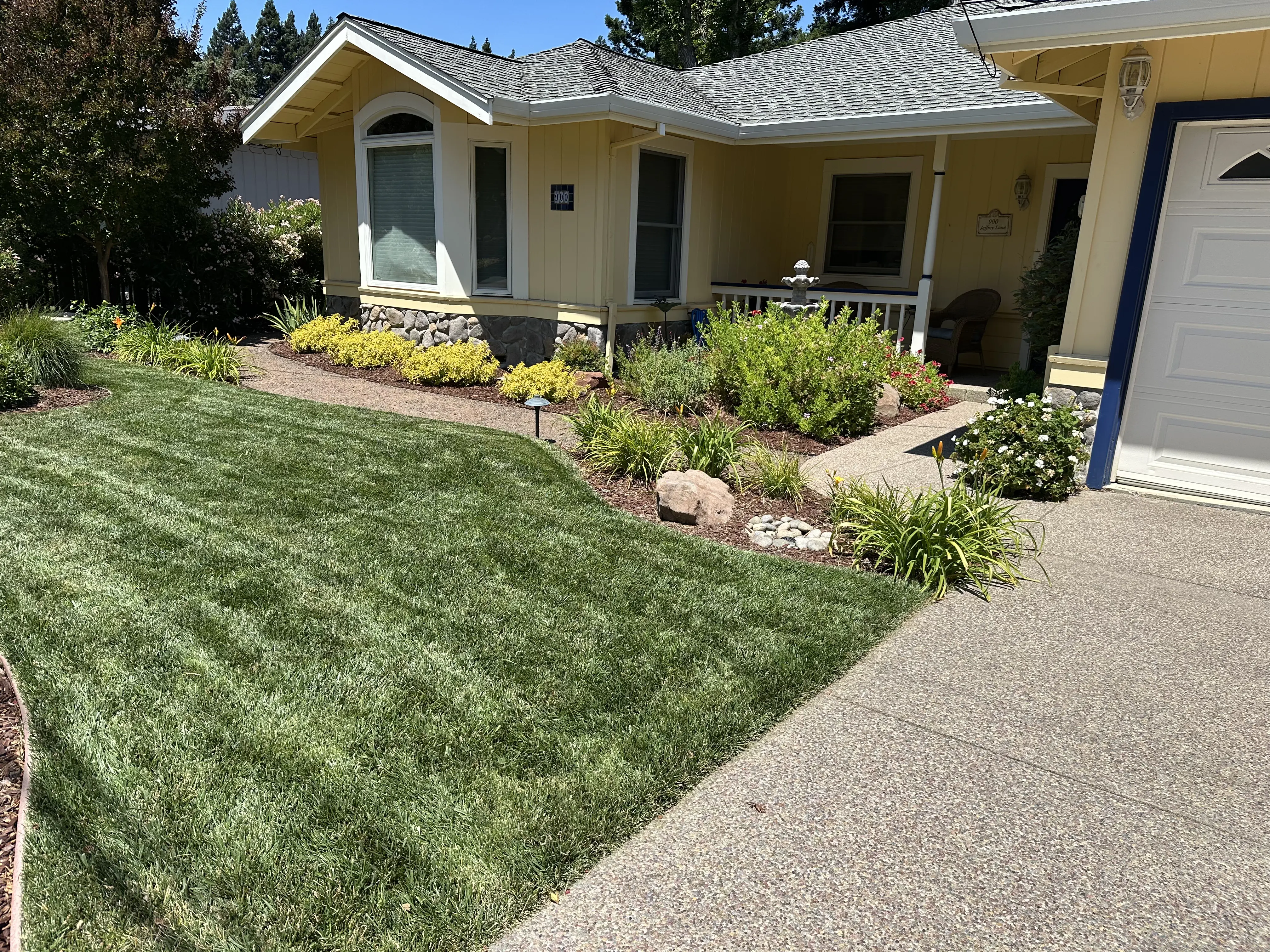
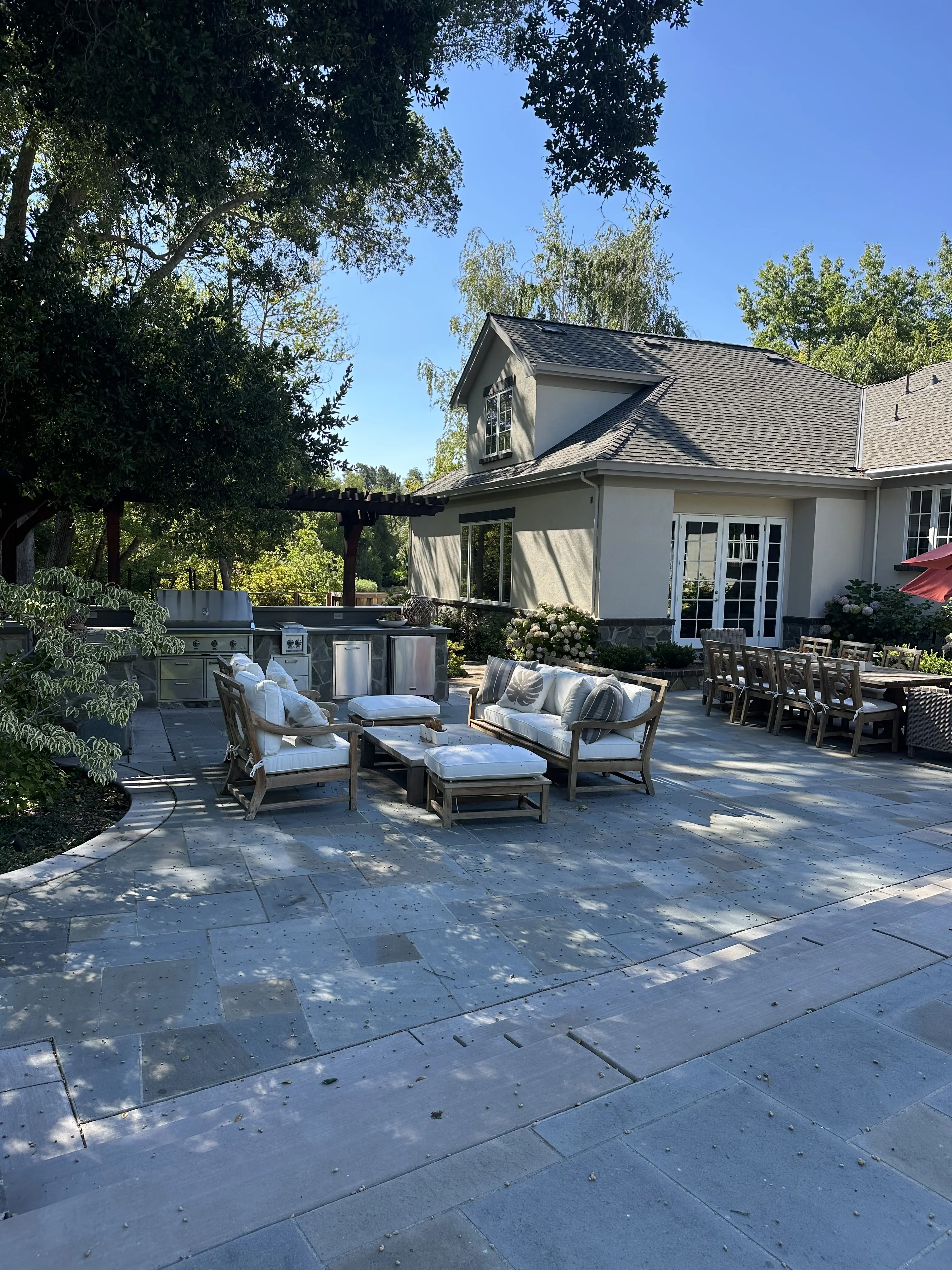
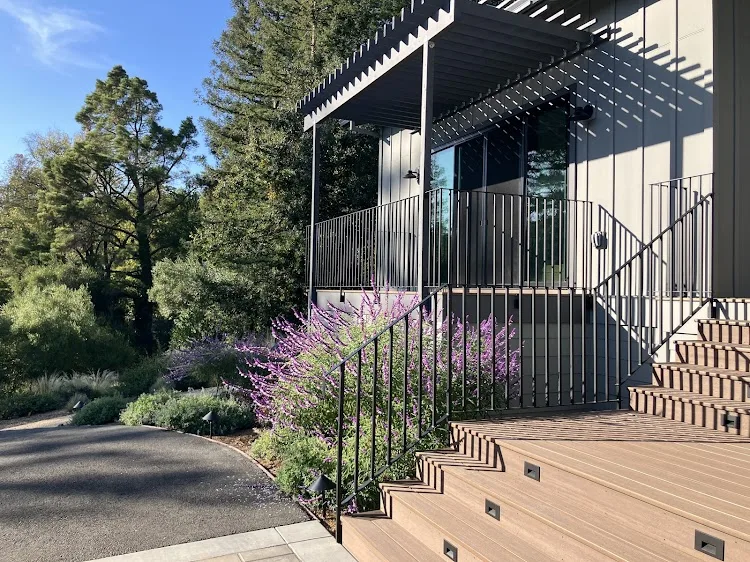
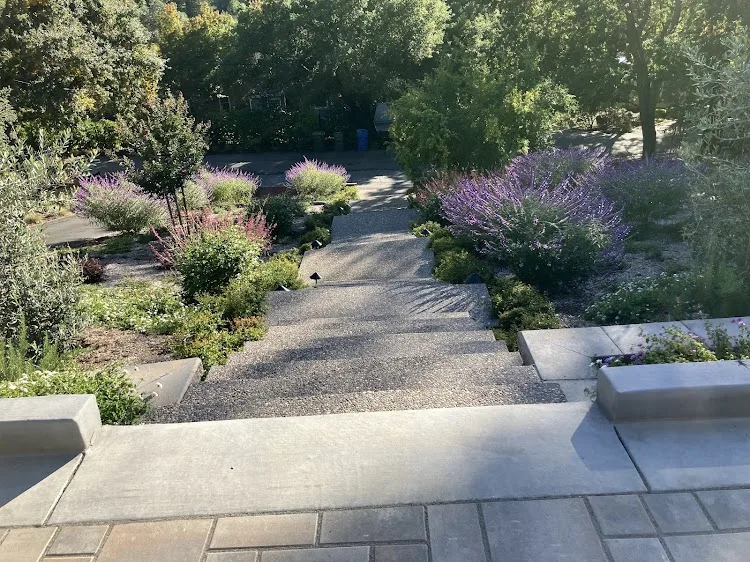
Decomposed granite and gravel give a soft, natural look and let water soak in, but they need firm edging and may migrate on slopes. Flagstone and pavers create a stable, finished surface for a front entry. Stepping stones set in groundcover suit low-traffic garden routes.
Where a path climbs, steps with consistent risers are usually safer than a steep ramp of loose material. Our post on hillside front yard installation covers routes on sloped lots.
Edge It and Prepare the Base
Edging keeps gravel out of beds and mulch off the path. Steel, concrete, and stone edges each hold a line differently. Under the surface, the base should be excavated and compacted so the path does not settle or rut after the first wet winter.
Plan how water will cross or leave the path. A walkway that dams runoff can flood an adjacent bed.
Install Paths Before Planting
Paths, edging, and any irrigation sleeves under them should go in before the planting. That sequence avoids trampling new plants and lets the beds be shaped neatly against a finished edge. See our small-yard design ideas for fitting paths into compact spaces.
Jean Fogg Landscape installs paths, walkways, and steps as part of landscape installation projects throughout Concord, Pleasant Hill, and Contra Costa County. Request a free estimate to plan a route that fits how you use your yard.