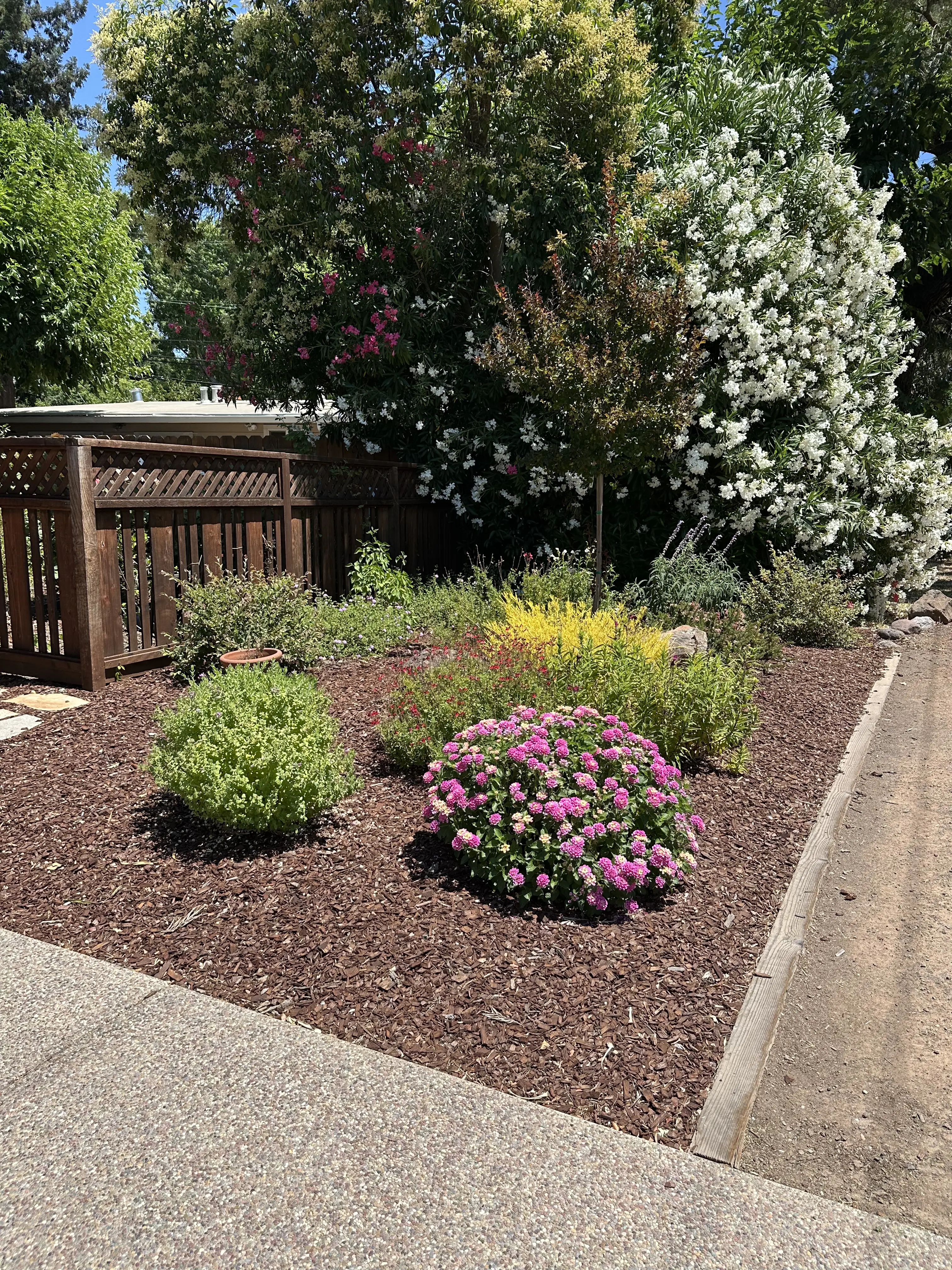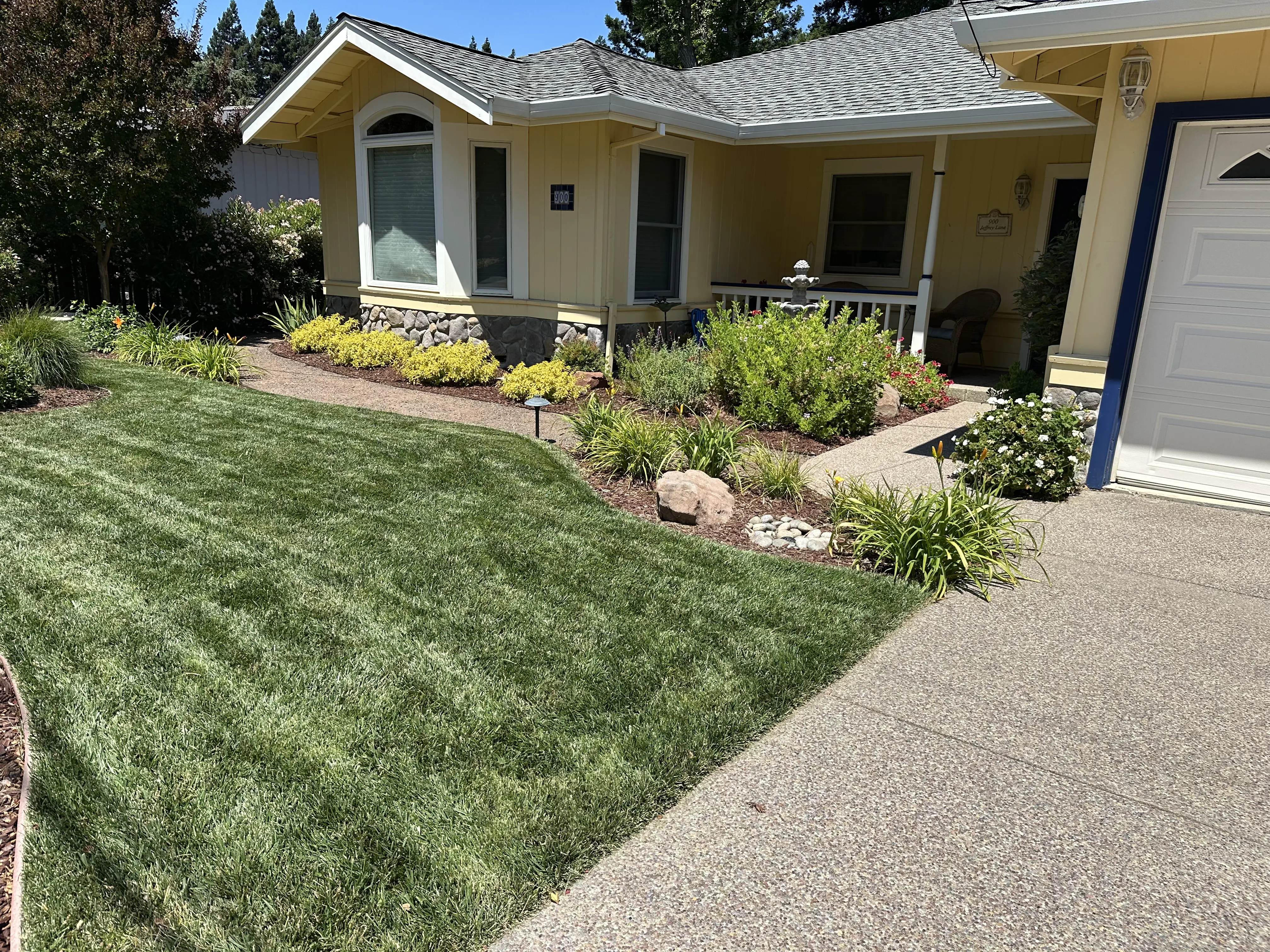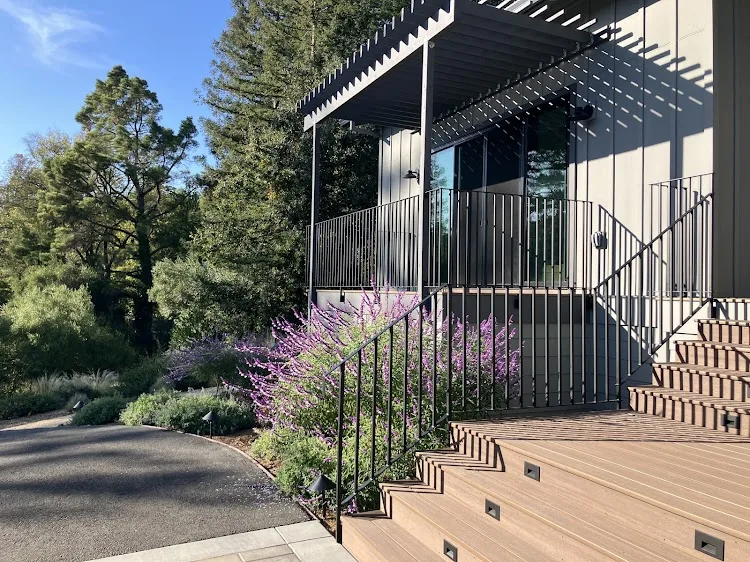


Get your Contra Costa County yard ready for fall with a practical plan for planting, irrigation adjustments, drainage checks, and garden cleanup.
Early fall is a useful time to turn summer observations into a landscape work list. Which beds dried out unevenly? Which plants outgrew their space? Where did water collect during the last rainy season? Those answers help you prioritize work before planting and cleanup begin.
For Contra Costa County yards, fall preparation should follow actual conditions. A September date on the calendar does not mean the soil is cool, rain has arrived, or irrigation can be switched off.
Walk the Yard and Sort the Work
Make one list for repairs and another for improvements. A leaking irrigation line or a blocked drainage inlet needs a different response from a bed that would look better with new plants. Take photos and mark the locations so the next maintenance or estimate visit can focus on specific decisions.
Keep notes from more than one part of the yard. A shaded Orinda side yard and an exposed planting bed in Walnut Creek may behave differently, and even one property can have several distinct growing conditions.
Prepare Planting Areas Before Buying Plants
Fall can provide a favorable window for many landscape plants as conditions cool. Choose plants suited to the location and confirm the planting schedule for the particular species. The Contra Costa Master Gardeners' fall checklist includes planting and seasonal irrigation adjustments among its priorities.
Before a new plant goes into a repeatedly troublesome spot, review why the previous one struggled. Crowding, irrigation coverage, drainage, and exposure should be addressed first. Our guide to when to start a landscape installation explains how preparation and planting fit into the project sequence.
Adjust Irrigation as Conditions Change
Review the controller as weather cools and check moisture in the beds before reducing watering. Recently installed plants may still need close attention even when established planting needs less water. Do not leave the summer schedule running indefinitely or assume a brief shower has watered the root area thoroughly.
Check the system while it runs. If one bed stays dry while another remains wet, use our drip irrigation troubleshooting guide to organize the inspection before changing the timer for the whole yard.
Review Drainage Before the First Heavy Rain
Remove accessible leaves and loose debris from surface drain grates, and note damaged covers or low spots that need attention. Check where downspouts discharge and whether stored items or accumulated material are obstructing the intended path of water.
If a patio, side yard, or planting bed flooded previously, discuss the cause before adding new planting or mulch. Photographing the problem during rain can help explain how water moves through the property. Persistent pooling needs an assessment of the site and drainage system, not just a tidier surface.
Set a Manageable Fall Work Plan
Finish with a short list: repair water delivery, resolve drainage concerns, prepare selected beds, and schedule planting when conditions suit it. Review pruning plant by plant rather than cutting every shrub back because the season changed.
Jean Fogg Landscape offers ongoing landscape maintenance and installation planning throughout its Contra Costa County service area. Request a free estimate to turn your fall observations into a practical sequence of repairs, planting, and follow-up care.