
Plan a garden privacy screen around sightlines, mature plant width, sun exposure, and maintenance without crowding a small Lafayette or Orinda yard.
The best privacy planting blocks the view that bothers you while leaving room to enjoy the yard. That often means screening one seating area or window rather than planting a tall hedge around the entire property.
For Lafayette and Orinda homes, slopes, nearby trees, and changes in elevation can make the right layout less obvious from a flat sketch. Start by looking from the places where you actually want privacy.
Identify the Sightline Before Choosing Height
Sit in the patio chair, stand at the kitchen window, and walk the entry path. Notice which views feel exposed and where a screen would need to sit to interrupt them. A plant near a seating area may block a direct view with less height than a plant at a distant boundary.
An uphill window is a different design problem from a neighboring patio at the same level. Mark the relevant views on a simple yard sketch. That gives the planting discussion a concrete purpose instead of starting with the tallest plant at the nursery.
Allow for Mature Width, Not Just Height
A shrub that reaches the desired height can still be wrong for a narrow bed if its mature width blocks the walkway. Choose plants that fit the available space without constant hard pruning. Leave access for irrigation checks, fence maintenance, and normal use of gates.
Be cautious about crowding young plants for an instant screen. Ask how long the proposed planting is expected to take to fill in and how it will be managed as it grows. A smaller number of appropriately spaced plants may create a more manageable result than a tightly packed row.
Compare the Conditions Along the Whole Bed
One end of a fence line may sit beneath tree cover while the other receives afternoon sun. Record those differences, along with drainage, reflected heat, existing roots, and deer browsing you have actually observed.
Use that information to develop a shortlist rather than assuming one privacy plant will perform equally well along the entire boundary. Our drought-smart planting guide explains why matching plants to the site matters more than choosing from a generic low-water list.
Choose Between a Hedge and a Layered Screen
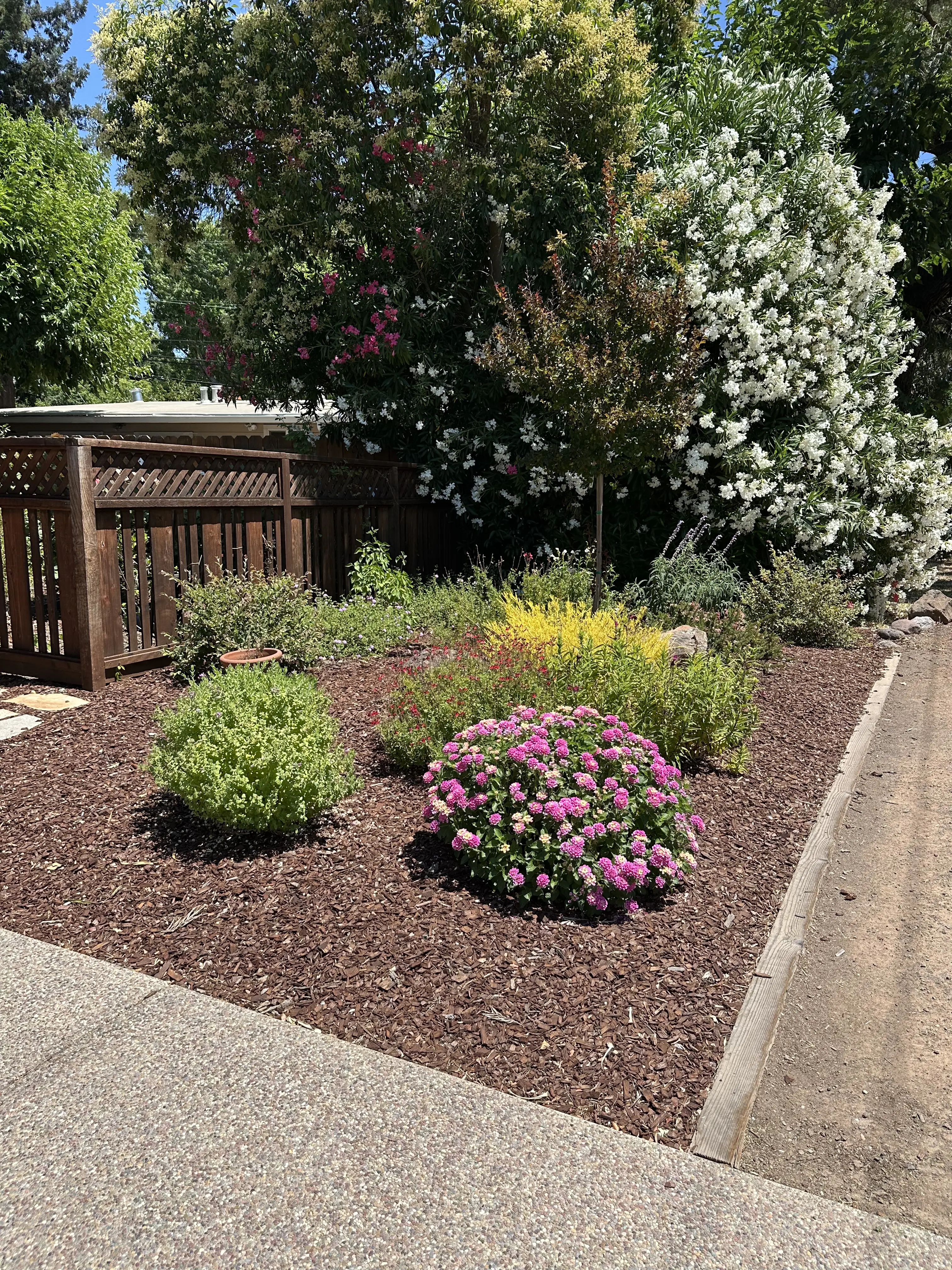
A hedge can give a consistent backdrop, but its appearance depends on the plant's growth habit and the pruning you are willing to maintain. A layered screen combines taller background planting with lower shrubs or groundcover and can suit a garden where a formal clipped edge is less important.
Decide whether you need screening throughout the year. Also consider what you want to keep visible: borrowed views of trees, light into the house, or an open corner beside the entry. Privacy planting should make the garden more comfortable without making every edge feel closed in.
Plan the Screen With the Rest of the Yard
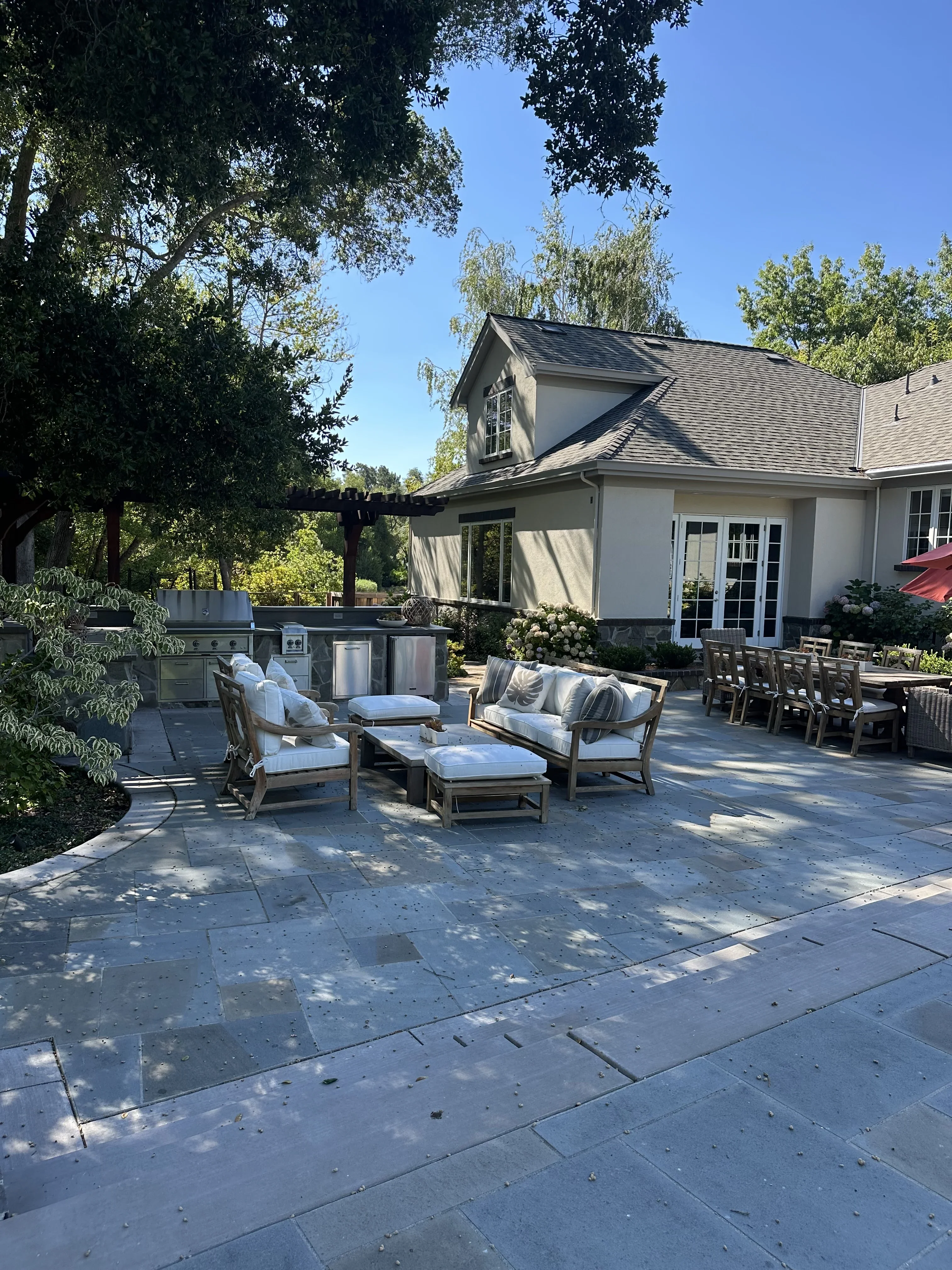
Privacy works best when planting, circulation, and outdoor seating are considered together. For compact properties, our small-yard landscape design guide can help you think through those tradeoffs.
Jean Fogg Landscape can review privacy needs during a landscape installation estimate. Request a free on-site estimate and point out the specific views you want to screen so the plan can address height, width, irrigation, and future care together.