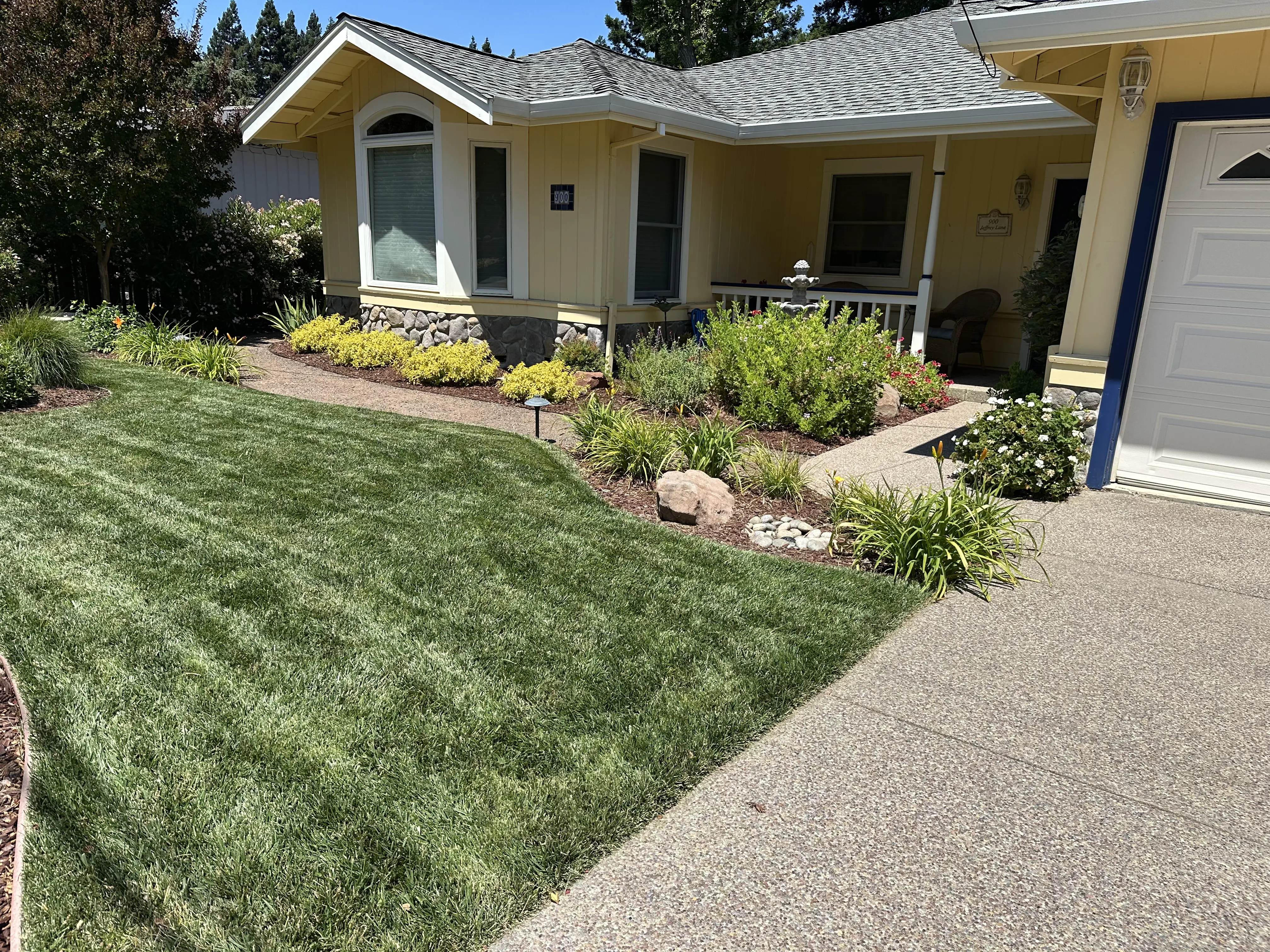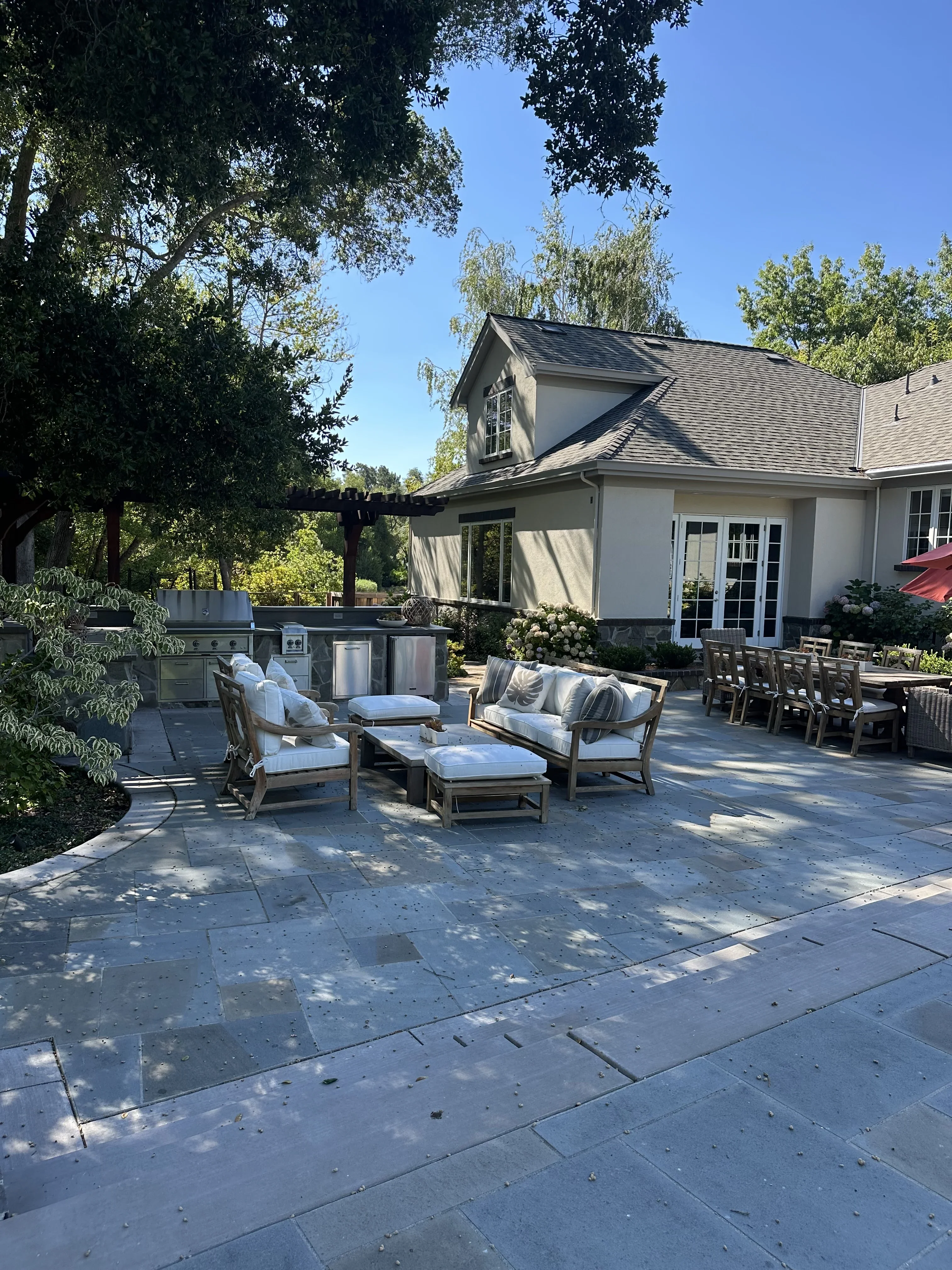

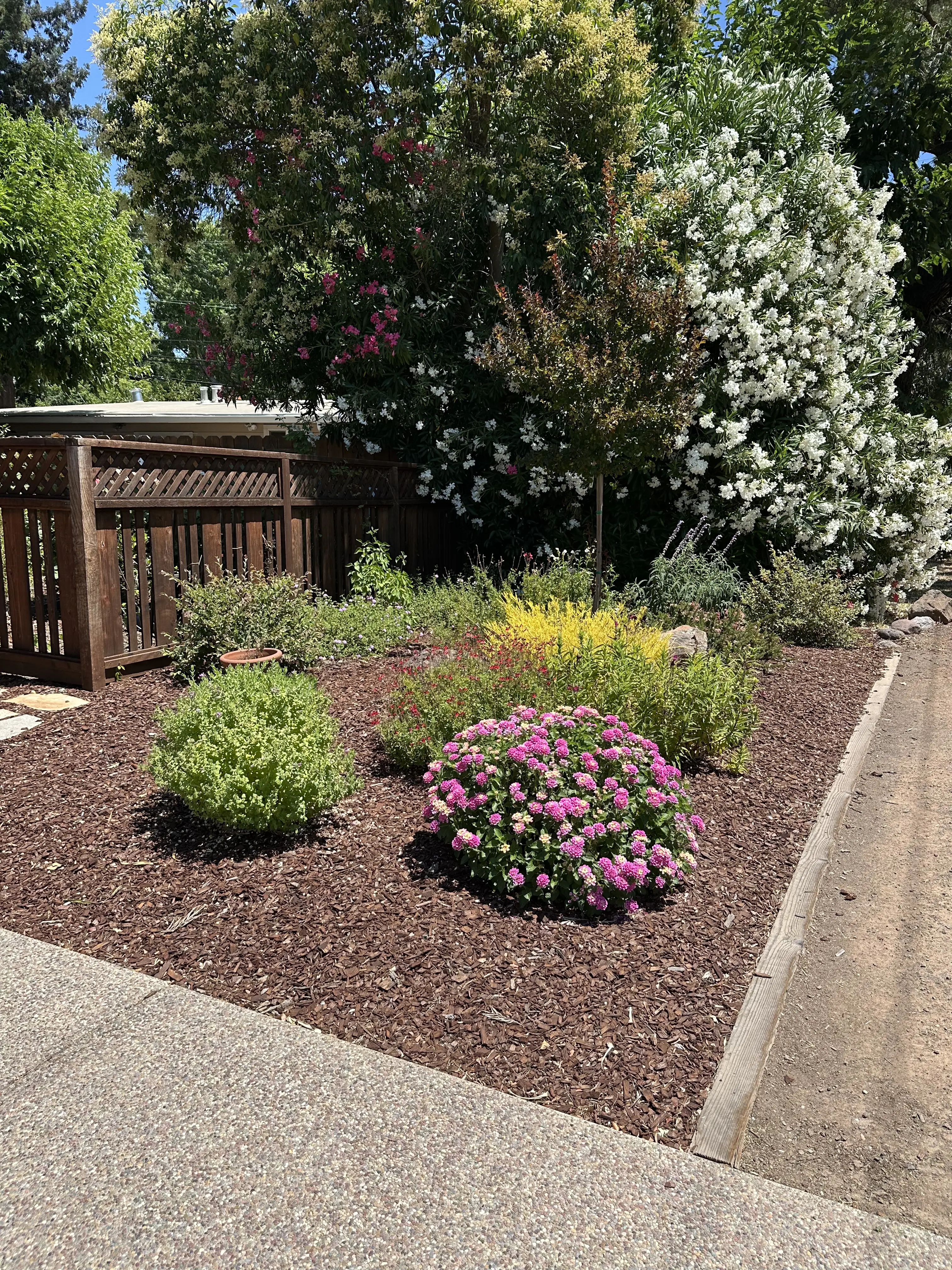
Compare wood mulch and gravel, check existing mulch depth, and estimate how much material your East Bay planting beds need before ordering.
The right mulch for an East Bay garden depends on what the planting bed needs to do. Wood chips can suit a planted border, while gravel may fit a separate decorative area. Neither material solves poor drainage, crowded plants, or weeds that were left growing underneath it.
Before ordering a delivery, check the existing surface, measure the beds, and decide where mulch belongs in the overall landscape.
Compare Materials by How the Bed Is Used
Organic mulch, such as wood chips or bark, breaks down over time and needs periodic replenishment. Gravel remains in place longer but can be harder to separate from soil when you want to replant. Think about future work as well as the first installation.
A bed that you regularly divide, replant, or adjust should be easy to work in. Near a path, choose a material and edge detail that keep loose pieces out of the walking surface. Beneath trees, consider how you will handle fallen leaves without repeatedly removing the mulch along with them.
If an area already looks good and functions well, a small top-up may be enough. Changing materials across the whole yard is not always necessary.
Measure Existing Depth Before Adding More
For many planted beds, roughly 2 to 4 inches of organic mulch is a useful starting range, adjusted for material texture and site conditions. Measure what is already there: a bed with 2 inches remaining does not need another full 4-inch layer.
Keep mulch clear of plant crowns and tree trunks. UC IPM recommends keeping organic mulch at least 6 inches back from trunks to help avoid root and crown disease. Its guide to landscape mulches also explains why weed removal and site preparation matter before application.
Do not use a mulch top-up to hide a buried trunk base or cover irrigation access points. Those details need to stay visible and serviceable.
Calculate the Order From the Actual Bed Area
Measure only the area that will receive mulch, excluding paths, large rocks, and the clear spaces around trunks. Break irregular beds into smaller rectangles for a workable estimate.
To estimate cubic yards, multiply square feet by the additional depth in inches, then divide by 324. For example, a 300-square-foot bed needing 2 additional inches takes about 1.85 cubic yards before allowing for irregularities or settling. Confirm the supplier's unit and delivery access before ordering.
This calculation prevents a common mistake: ordering enough for the entire front yard when only the planting borders need coverage.
Check Water and Edges First
Run the irrigation before covering the tubing, and fix leaks while they are easy to find. If mulch repeatedly washes onto a walkway, review the slope, edging, and source of runoff instead of simply replacing the lost material.
Mulch refreshes fit naturally into a seasonal landscape maintenance checklist. Jean Fogg Landscape offers maintenance programs for Contra Costa County gardens; request an estimate to review bed cleanup, mulch coverage, and the irrigation details that should be addressed first.