
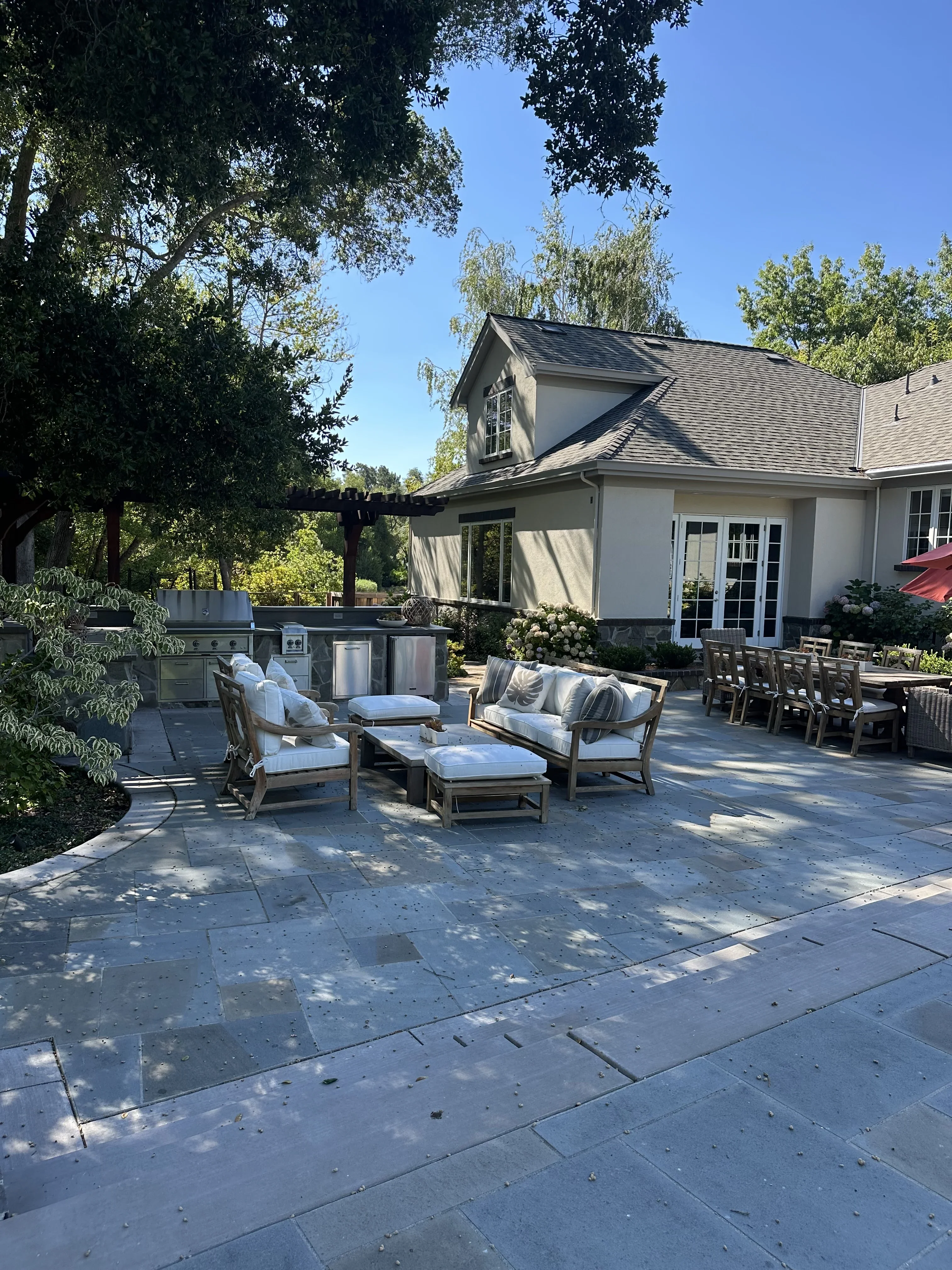
Compare landscape estimates by scope, site preparation, irrigation, materials, and follow-up care so you can plan your Contra Costa County project.
A useful landscape estimate explains what will be built, what preparation is included, and how the finished yard will be cared for. The total price matters, but it is difficult to compare two proposals when one includes drainage and irrigation changes and the other covers only visible planting.
For a Contra Costa County landscape project, start by making sure each estimate describes the same work. That is more useful than comparing a price per square foot without knowing what sits behind it.
Define the Areas and the Finished Result
The scope should identify the parts of the property being changed. A front entry refresh, a full backyard installation, and a hillside planting project involve different work even if their areas are similar.
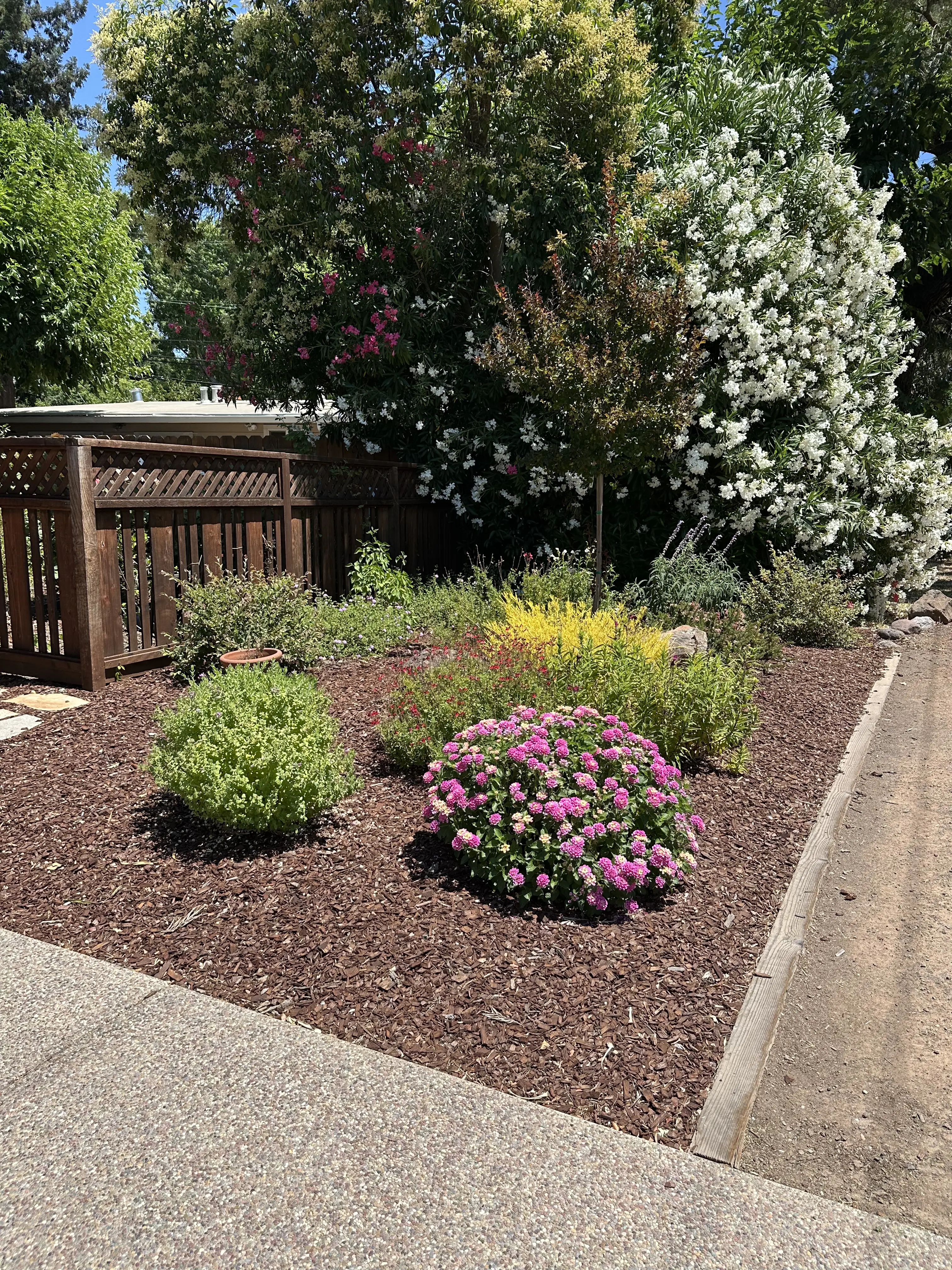
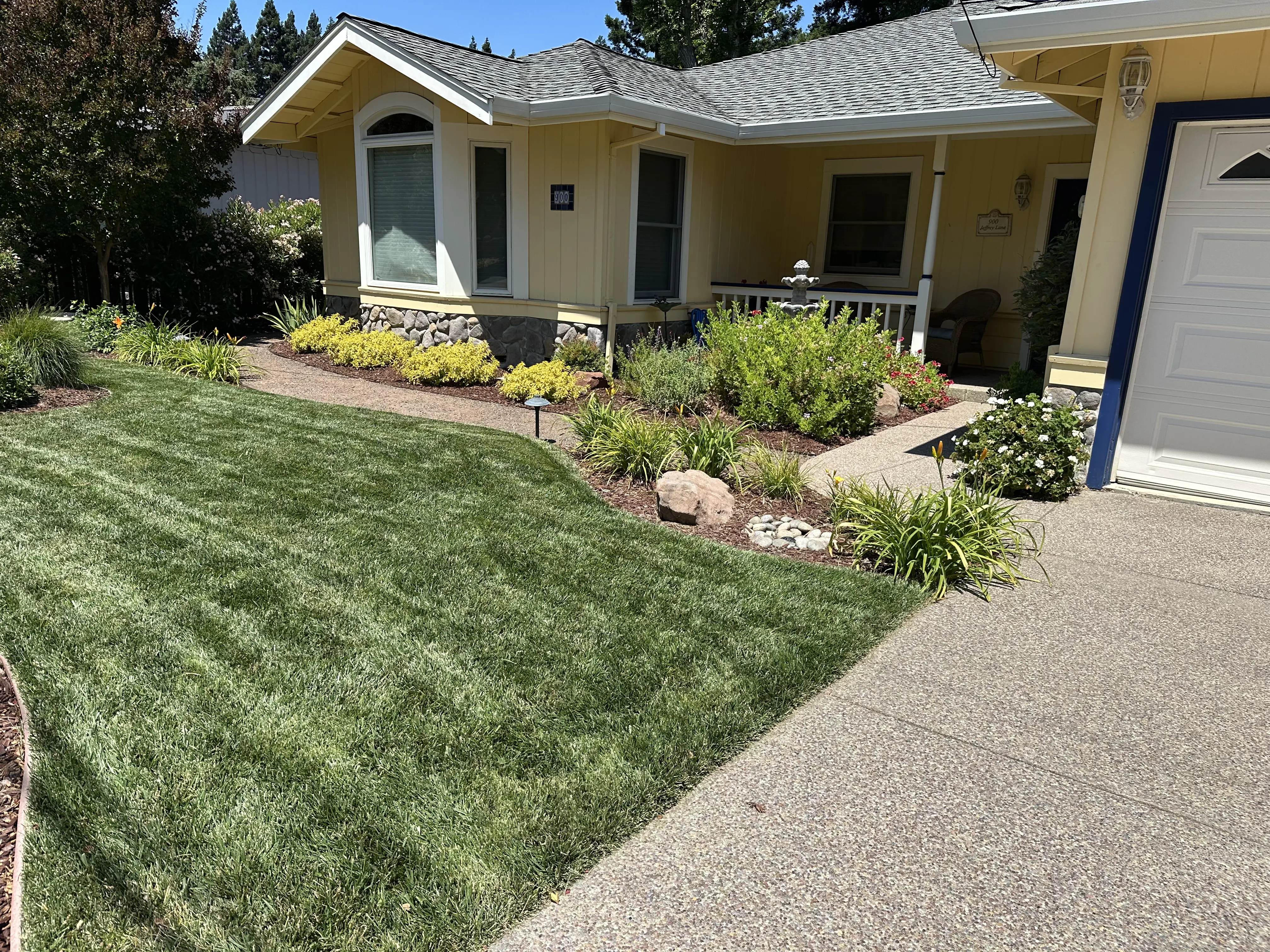
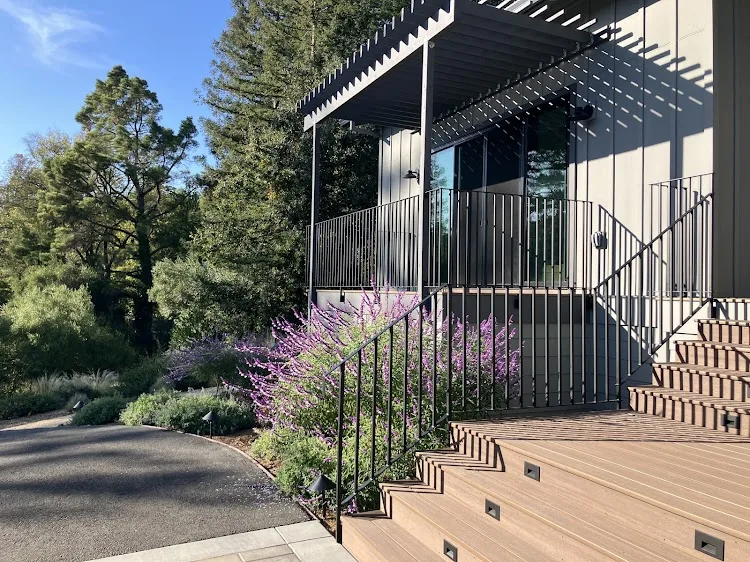
Describe the result in practical terms: a clear route to the front door, a patio large enough for your furniture, or planting that stays below a window at maturity. Bring a few photos and identify which features you like. A photo of a garden is much more useful when you can explain whether you are drawn to its layout, materials, or planting style.
Look for Site Preparation and Access
Ask how demolition, disposal, grading, soil preparation, and equipment access are handled. A narrow side gate or a steep route from the street can change how materials reach the work area. Existing roots, buried lines, and drainage problems may also affect the scope.
Discuss what is known from the walk-through and what may need further investigation. Ask how newly discovered work would be described and priced before it proceeds. An estimate is easier to use when assumptions are visible.
Compare Materials and Quantities
A proposal that says only planting or patio leaves important decisions open. Ask for enough detail to understand the materials, approximate areas, plant quantities and container sizes, and the work needed beneath finished surfaces.
For irrigation, clarify whether the project includes repairs to existing equipment, new zones, a controller change, or conversion of lawn sprinklers. For drainage, ask what problem the proposed work addresses and where water is intended to go.
Our overview of landscape installation timing explains why these decisions belong early in planning.
Include Establishment and Handover
Before accepting a planting proposal, ask who will set the initial watering schedule and how adjustments will be handled. Clarify whether follow-up visits, replacement terms, and ongoing maintenance are included or separate.
Keep the questions specific. Who checks the irrigation after planting? What should you monitor between visits? Which tasks become your responsibility when installation ends? These answers help you compare the full project rather than just installation day.
Prioritize Before Cutting Scope
If the complete plan exceeds your budget, separate essential preparation from features that can wait. It may make sense to phase planting or decorative details while completing the underlying drainage and access work first. Discuss the sequence so a later phase does not require disturbing finished areas.
Jean Fogg Landscape provides landscape installation services and free on-site estimates. Book an estimate with your priorities, a rough budget, and any photos of problem areas so the conversation can focus on a realistic scope for your property.